Let’s have an honest conversation about weed. Maybe you started smoking cannabis when you were 15 or 16. Perhaps you were curious, your mates were doing it, or it seemed like a way to relax after school, college, work or a difficult day. Maybe it helped you feel more confident around people, made music sound better, helped you sleep, or gave you a break from thoughts you did not want to deal with.
Perhaps you now smoke most evenings. Maybe you wake and bake. Perhaps you have tried to stop several times, only to find yourself buying another bag a few days later.
Or maybe you are the guy who tells everyone he can stop whenever he wants, but deep down, you know that if you tried to go a whole month without smoking, it would be much harder than you want to admit.
If any of this sounds familiar, this article is for you.
I’m not writing to lecture you, tell you that you’re a bad person, or pretend that every person who smokes cannabis will become addicted. I’m interested in a different question.
What happens when something you started using for enjoyment, relaxation or escape gradually becomes something you struggle to live without?
As a counsellor working with men’s mental health, I think this is a conversation worth having. Not because every young man who smokes weed needs therapy, but because some young men are trying to manage anxiety, loneliness, anger, low mood, family difficulties, trauma or uncertainty about their future through a substance that can eventually become another problem to manage.
You might recognise yourself in this. Or you might be worried about a mate, a brother, a son or someone you love.
Either way, let’s look at what the research tells us, why quitting can be difficult, and how psychological therapy can help you take back some control.
1. When smoking stops being a choice and starts becoming a habit you cannot easily break
One of the difficulties with cannabis is that it can become woven into almost every part of your daily life without you noticing how much space it is taking up.
At first, perhaps you smoke on Friday nights. Then it becomes Saturday as well. Eventually, you are smoking after college, before gaming, before bed, when you feel anxious, when you feel bored, when you are angry, when you cannot sleep, or simply because it is 7 pm and that is what you normally do.
You might not even be getting particularly high anymore. You are just trying to feel normal.
This is where we need to distinguish between occasional cannabis use, problematic use and cannabis use disorder.
Cannabis use disorder is a recognised clinical condition in which someone struggles to control their use despite negative consequences. It can involve cravings, unsuccessful attempts to stop, increasing priority given to cannabis and continued use despite problems.
You do not have to smoke every hour of the day to have a problem. Nor does everyone who smokes cannabis develop dependence.
The question is whether cannabis is beginning to control decisions that you would rather be making for yourself.
Ask yourself:
- Have I tried to stop but found myself smoking again?
- Do I spend more money on weed than I intend to?
- Do I find it difficult to enjoy myself without smoking?
- Have I lost motivation for college, work, training or personal goals?
- Do I smoke to avoid feelings I do not know how to manage?
- Do I become irritable, anxious or restless when I cannot smoke?
- Have relationships suffered because of my cannabis use?
- Do I keep telling myself that I will cut down tomorrow?
You do not need to answer yes to every question. These are prompts for reflection, not a diagnosis.
The Royal College of Psychiatrists explains that frequent cannabis use can lead to dependence and that stopping can bring withdrawal symptoms such as sleep difficulties, irritability, anxiety and low mood.
The point is not to label yourself an addict. It is to become honest about whether your relationship with weed is working for you.
2. What are you actually getting from weed?
Here is something I would want every young man to consider before trying to quit.
Cannabis may be doing a job for you. If you do not understand what that job is, stopping can leave you feeling as though something important has been taken away.
For one man, weed is a way to quiet an anxious mind. For another, it helps him avoid painful memories. Someone else might smoke because he feels lonely, struggles to fit in, is unhappy with his appearance, feels rejected by women or men, or cannot see a future that excites him.
Some young men smoke because they enjoy it. Others smoke for several reasons at once.
Consider these examples.

The anxious guy
You overthink conversations, worry about what people think of you and feel uncomfortable in social situations. Weed quietens your thoughts temporarily, so you start relying on it whenever anxiety appears.

The guy who feels emotionally numb
Something in your life hurts, but you do not want to think about it. Perhaps there is family conflict, rejection, grief or something from childhood that you have never spoken about. Smoking gives you temporary distance from the feeling.

The guy who wants to belong
Most of your mates smoke. It is how you socialise, spend evenings and feel part of the group. Quitting feels like risking friendships or having to explain why you no longer want to participate.

The guy who feels stuck
You have ambitions, but you struggle to act on them. You may be dissatisfied with work, education, money or relationships. Weed gives you a break from thinking about the gap between where you are and where you want to be.
These are examples, not categories that every cannabis user fits into.
But they illustrate why simply telling someone to stop smoking can be inadequate.
If cannabis has become your way of managing anxiety, you need other ways to manage anxiety. If it is how you cope with loneliness, you need opportunities to build connection. If it helps you avoid painful experiences, you may need a safe place to explore those experiences.
Otherwise, you may stop smoking without addressing the reasons you relied on it in the first place.
This does not mean you need to uncover a hidden trauma before you can quit. Sometimes the explanation is straightforward: you enjoy getting high, your friends smoke, and the habit has become automatic. Therapy should help you understand your own situation rather than impose a psychological explanation on you.
3. The psychology of the cannabis habit: why your brain keeps going back
One useful way to understand cannabis dependence is through learning theory and behavioural psychology.
Think about a pattern that repeats:
Trigger
Stress, boredom, loneliness, a certain friend or a familiar time of day
Craving
“I need a smoke. I’ll feel better once I have one.”
Smoking
You get high, feel relief or experience pleasure.
Reinforcement
Your brain learns that smoking is a way to respond to that trigger.
The pattern can become more automatic with repetition.
Two psychological concepts help explain this pattern.
Positive reinforcement occurs when an experience feels rewarding, making the behaviour more likely to happen again. You smoke, enjoy the high, and want to repeat it.
Negative reinforcement occurs when a behaviour temporarily removes or reduces something unpleasant. You feel anxious or restless, smoke, and experience relief. Your brain learns that smoking is a way to escape discomfort.
Negative reinforcement is particularly important when someone uses cannabis to manage emotional distress.
You might initially smoke because you enjoy the experience. Later, you might smoke because you dislike how you feel when you are sober.
Over time, the behaviour can become associated with particular places, people, activities and emotional states. You might automatically crave weed when you get home, turn on your PlayStation, finish a shift or lie down in bed.
This is not a sign that you are weak. It is an example of learned behaviour interacting with the effects of a psychoactive substance.
The encouraging part is that learned patterns can change. You can identify triggers, develop alternative responses, change your environment and practise tolerating urges without automatically acting on them.
That is one of the things therapy can help you do.
4. Weed, your nervous system and your emotions
Some young men describe cannabis as their way of switching off. They might say, “My head never stops,” “I’m always on edge,” or “It’s the only thing that helps me sleep.”
I would take those statements seriously.
Cannabis contains compounds that interact with the body’s endocannabinoid system, which is involved in regulating several functions, including mood, memory, stress responses, appetite and sleep. THC, the principal intoxicating compound, affects brain systems involved in perception, learning, attention and reward.
The effects are not identical for everyone. Some people feel relaxed; others experience panic, paranoia, racing thoughts or unpleasant changes in perception. The amount used, THC potency, frequency of use, age and individual vulnerability all matter.
There is an important distinction between feeling relaxed after smoking and developing the capacity to regulate your emotions without smoking.
Imagine that every time you feel stressed, you smoke. You might feel better for a while, but you have fewer opportunities to discover that you can experience stress, tolerate it and recover without using cannabis.
This can become a learned dependency on a particular coping strategy.
It does not mean cannabis has permanently damaged your nervous system. Nor does it mean that every experience of relaxation is harmful. It means that if cannabis becomes your principal method of regulating your emotions, you may benefit from learning additional ways to cope.
What happens when you stop?
If you have been smoking regularly, quitting can be uncomfortable. You might experience:
- Irritability, frustration or anger.
- Anxiety, restlessness or feeling on edge.
- Difficulty falling asleep or staying asleep.
- Vivid or unusual dreams.
- Reduced appetite.
- Low mood, headaches or sweating.
- Strong urges to smoke.
Symptoms often begin within 24–48 hours, may be most intense during the first week, and commonly improve over one to two weeks. Some people experience symptoms for longer, particularly sleep disturbance or mood changes.
If you smoke cannabis mixed with tobacco, nicotine withdrawal may also be part of what you experience. That is worth considering rather than assuming every symptom is caused by cannabis alone.
One of the hardest parts of quitting is that withdrawal can make you feel as though you need the very substance you are trying to stop using.
You might think, “I can’t sleep without weed,” or “I’m becoming an angry person without it.”
Try to recognise that these feelings may be temporary withdrawal symptoms rather than a permanent change in who you are.
If symptoms are severe, persistent or difficult to manage, speak to your GP or a drug treatment service. If stopping brings on severe depression, suicidal thoughts, hallucinations or an inability to stay safe, seek urgent medical help.
5. What the research says about cannabis and young men’s mental health
It is important to be honest about what research can and cannot tell us.
Cannabis use has been associated with several mental health difficulties, but an association does not automatically establish that cannabis caused a particular person’s problem. Some people use cannabis because they are already experiencing psychological distress, and some experience difficulties that are made worse by their use.
Three areas deserve particular attention.
Memory, attention and learning. Cannabis can impair attention, memory, coordination and decision-making while a person is intoxicated. Frequent use can also interfere with education, work and everyday functioning, although the extent and persistence of effects vary between people.
Anxiety and mood. Some people report short-term relief from anxiety, while others experience increased anxiety or paranoia. If cannabis is being used to manage distress, it is worth exploring whether it is genuinely helping over time or creating a cycle of relief followed by further difficulties.
Psychosis and vulnerability. Cannabis use, particularly frequent use of high-potency products, is associated with an increased risk of psychotic experiences and psychotic disorders. This does not mean every person who smokes cannabis will develop psychosis, but the risk deserves particular attention for young people and those with a personal or family vulnerability.
The Royal College of Psychiatrists provides a useful overview of cannabis and mental health, including the relationship with anxiety, psychosis and dependence.
For a young man aged 16–25, the practical question is not whether cannabis is always bad or whether everyone who smokes will experience harm.
It is whether your current pattern of use is helping you build the life you want, or making it harder to do so.
6. How therapy can help you quit weed
Therapy is not simply a room in which someone tells you to stop smoking.
Good therapy helps you understand your relationship with cannabis, identify what maintains it, develop alternative coping strategies and build a realistic plan for change.
There is research supporting psychological approaches for cannabis use disorder. A 2025 systematic review and meta-analysis of 22 randomised controlled trials involving 3,304 participants found that motivational enhancement therapy combined with cognitive behavioural therapy may improve abstinence outcomes compared with inactive or non-specific comparison conditions. The authors also cautioned that the certainty of evidence was low to very low for some outcomes, so these findings are promising rather than a guarantee of success.
Here are some of the approaches that can be useful.
Cognitive behavioural therapy (CBT): changing the cycle
CBT examines the relationship between thoughts, emotions, bodily sensations and behaviour.
Suppose you get home from college and think, “I’m exhausted. I deserve a smoke. There’s no point doing anything else tonight.”
You smoke, feel relaxed for a while and repeat the pattern the next day.
In CBT, you might examine the thought, identify the trigger, consider the short-term benefit and longer-term cost, and develop an alternative response.
You could experiment with going for a walk, eating, taking a shower, going to the gym, playing football or calling a friend before deciding how to respond to the urge.
The aim is not to replace every enjoyable activity with a supposedly healthy one. It is to build enough flexibility that smoking is no longer your automatic response to every difficult feeling.
CBT can also help with sleep routines, anxiety, problem-solving, craving management and relapse prevention.
Motivational interviewing: working with your mixed feelings
Many people are not completely certain that they want to quit.
One part of you wants to stop spending money, regain motivation and feel more in control. Another part enjoys the high, likes smoking with friends and worries about facing life without it.
That ambivalence is normal.
Motivational interviewing is a collaborative approach that helps people explore their own reasons for change without being lectured or pressured.
A counsellor might ask:
- What do you like about smoking?
- What do you dislike about it?
- What has cannabis cost you over the past year?
- What would you like your life to look like in two years?
- How does your current use fit with that future?
- What would make change worth the effort?
The point is not for the counsellor to win an argument. It is for you to hear yourself more clearly.
NICE guidance recommends motivational interventions to explore ambivalence and increase motivation for change. The World Health Organization also identifies motivational enhancement therapy, CBT and family therapy as possible approaches to cannabis dependence.
Psychodynamic therapy: understanding what the weed might be helping you avoid
Sometimes cannabis use is connected to experiences that are not easy to put into words.
Perhaps you learned early in life that showing sadness invited criticism. Perhaps anger was the only emotion you felt permitted to express. Maybe your home environment was unpredictable, you experienced bullying, or you have struggled with rejection and belonging.
You may have learned to deal with difficult feelings privately rather than seeking support.
Psychodynamic therapy can help you explore how earlier experiences, relationships, emotional conflicts and habitual ways of protecting yourself may influence your behaviour now.
For example, you might discover that smoking is not only about getting high. It is also about creating distance from feelings of inadequacy or disappointment.
That does not mean every cannabis problem comes from childhood or that you must explore your entire past to stop smoking. Sometimes the most useful work is practical and present-focused.
The value of this approach is that it can help when your cannabis use is intertwined with longstanding emotional or relationship difficulties.
Humanistic and person-centred counselling: being able to speak honestly
Some young men have never had a space where they can admit that they are struggling without being mocked, judged or told to get on with it.
Person-centred counselling, associated with psychologist Carl Rogers, emphasises empathy, genuineness and acceptance.
In a supportive therapeutic relationship, you can talk honestly about your cannabis use, what you enjoy about it, what worries you and what you feel ashamed of.
You do not need to pretend that you hate weed to deserve help.
You do not need to present yourself as motivated every week.
And you do not need to agree with your counsellor about every aspect of your life.
A good counsellor will respect your autonomy while helping you examine the consequences of your choices and decide what you want to change.
Family and relationship work: changing the environment around you
If cannabis use is closely connected to family conflict, relationship difficulties or a social circle in which everyone smokes, individual willpower may not be enough.
Family work can help address communication, boundaries and practical support, where appropriate and where you consent to that involvement.
If your mates are your main social network, you may need to find ways to remain connected without smoking every time you meet. That might involve explaining your decision to one trusted friend, arranging activities that do not revolve around cannabis or taking a temporary break from particularly strong triggers.
The aim is not necessarily to abandon your friends. It is to create room for a different relationship with them and with yourself.
For young people under 18, any family involvement should take account of safeguarding, confidentiality, maturity and the individual’s circumstances.
7. Why willpower alone is not always enough
You might have already tried to quit.
Perhaps you threw away your grinder, deleted a dealer’s number, promised yourself that Monday would be different and lasted four days. Then you had a bad day, struggled to sleep or met up with a mate who was smoking.
You had one joint, felt disappointed in yourself and decided the whole attempt was ruined.
By the weekend, you were back to your old routine.
This is where relapse prevention becomes important.
Psychologist Alan Marlatt’s work on relapse prevention emphasises identifying high-risk situations, developing coping skills and understanding how a lapse can turn into a return to an established pattern.
One useful concept is the abstinence violation effect. In some people, a lapse can trigger intense guilt and self-criticism: “I’ve messed up, so I might as well carry on.”
That thinking can turn one difficult evening into several weeks of smoking.
But a lapse does not erase everything you have learned.
If you smoke after five days without cannabis, you can ask what happened. Were you lonely? Had you been sleeping badly? Did you meet a particular friend? Were you trying to escape an uncomfortable emotion?
You can use that information to strengthen your next attempt.
This is not permission to dismiss a lapse. It is a way of responding to it constructively.
Recovery is not about proving that you will never experience an urge again. It is about becoming better equipped to respond to an urge without automatically acting on it.
8. A practical plan for quitting weed
If you want to stop, here is a structured starting point. You can adapt it to your circumstances.
Your first four weeks
A starting framework, not a substitute for individual treatment or medical advice.
1
Week 1: Get honest about your pattern
Record when you smoke, how much you use, what you spend, who you are with and how you feel beforehand. Decide whether your goal is to stop or reduce use, and identify the reasons that matter to you.
2
Week 2: Prepare for change
Choose a quit date if you intend to stop. Plan for cravings, remove cannabis and smoking equipment from your environment where practical, tell a trusted person and organise activities for the times you usually smoke.
3
Week 3: Build new coping strategies
Focus on regular sleep and waking times, meals, exercise, social contact and activities that give your day structure. Practise delaying a craving, noticing it without acting on it and seeking support when withdrawal feels difficult.
4
Week 4: Review what is changing
Look at your mood, sleep, spending, concentration and relationships. Identify the situations that remain difficult and make a plan for the next month. If you have smoked again, examine what happened and adjust your plan.
A few additional points can make this process easier.
- Plan for sleep. Keep a regular waking time, get daylight and physical activity, and avoid using alcohol or other drugs as substitutes for cannabis.
- Watch your spending. Calculate what you spend in a week and a month. Decide in advance what you want that money to support instead.
- Consider tobacco. If you mix cannabis with tobacco, nicotine dependence may make quitting more complicated. Ask a pharmacist, GP or stop smoking service about appropriate support.
- Avoid replacing one problem with another. Heavy drinking, gambling or using other substances to get through withdrawal can create new difficulties.
- Get help early if needed. You do not have to wait until your education, work, relationships or mental health have seriously deteriorated.
If you smoke heavily or have repeatedly struggled to stop, a drug treatment service can help you decide whether a supported quit plan, gradual reduction or another approach is most suitable. Do not assume that you must manage the process alone.
9. What about men who are using weed to cope with something deeper?
For some young men, stopping cannabis brings uncomfortable feelings into sharper focus.
Perhaps you discover that you are more anxious than you realised. Perhaps you have been using weed to avoid grief, memories of abuse, loneliness or uncertainty about your sexuality. Perhaps you have difficulty relaxing because your mind is constantly looking for the next problem.
It can be tempting to conclude that quitting has made you worse.
Sometimes withdrawal really is contributing to the discomfort. At other times, stopping cannabis reveals difficulties that were already present but that you were using cannabis to manage.
Both possibilities deserve attention.
Therapy can help you distinguish between them. It can also help you develop emotional regulation skills, work through painful experiences at a manageable pace and find ways of living that do not depend on numbing yourself.
You do not need to disclose everything in the first session. You can begin with the issue that feels easiest to discuss, such as sleep, motivation, anxiety or your difficulty sticking to a quit attempt.
If you have a history of trauma, depression, anxiety or other mental health difficulties, tell your GP or treatment provider. Treating those problems alongside cannabis use may be an important part of recovery.
If you experience severe paranoia, hallucinations, significant mood changes or thoughts of harming yourself, seek professional help promptly rather than assuming these symptoms will disappear when withdrawal ends.
10. Where can young men in Reading and the surrounding areas get help?
You do not need to wait until you have hit rock bottom to seek support. There are services that can help you understand your cannabis use, decide what you want to change and develop a plan.

Change Grow Live (CGL) Reading
127 Oxford Road, Reading, RG1 7UU
Provides drug and alcohol support for people in Reading, including help for those who want to reduce or stop using cannabis.
Phone: 0118 955 7333
FRANK
Service information and support

SOURCE: Young People’s Drug and Alcohol Service
Reading and Wokingham
Offers confidential assessments, individual support and care planning. It works with under-18s and some young adults up to 25, subject to its eligibility criteria.
Phone: 0118 937 3641
Email: source@brighterfuturesforchildren.org

No5 Young People
101 Oxford Road, Reading
Provides counselling for young people aged 11–25 who live, work or study in the RG postcode area. It may be useful if anxiety, low mood, relationships or other emotional difficulties are part of your cannabis use. Check eligibility and the service’s current offer.
Phone: 0118 901 5668
Counselling and support information
Cranstoun Wokingham
38 Station Road, Wokingham
Provides adult drug and alcohol support, with a separate young people’s service for under-18s.
Phone: 0118 977 2022
You can also contact your GP or use FRANK for confidential information about drugs and treatment options. FRANK’s helpline is 0300 123 6600.
If you are 18–25, check the eligibility criteria for each service, as some young people’s services prioritise under-18s or have specific requirements. You can ask about self-referral, confidentiality and whether counselling or specialist substance use support is the best starting point.
11. Books and research worth reading
If you want to understand cannabis dependence more deeply, these are useful starting points for young men, counsellors and anyone interested in the psychology of addiction.
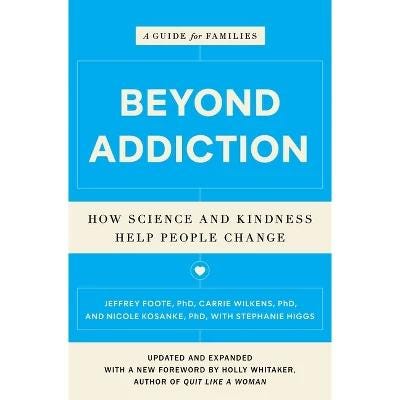
Beyond Addiction: How Science and Kindness Help People Change
Jeffrey Foote, Carrie Wilkens, Nicole Kosanke and Stephanie Higgs (2014)
A useful book for understanding behaviour change without relying on shame, confrontation or the idea that someone must reach rock bottom before they can change. It is particularly relevant to family members and professionals supporting people with substance use difficulties.
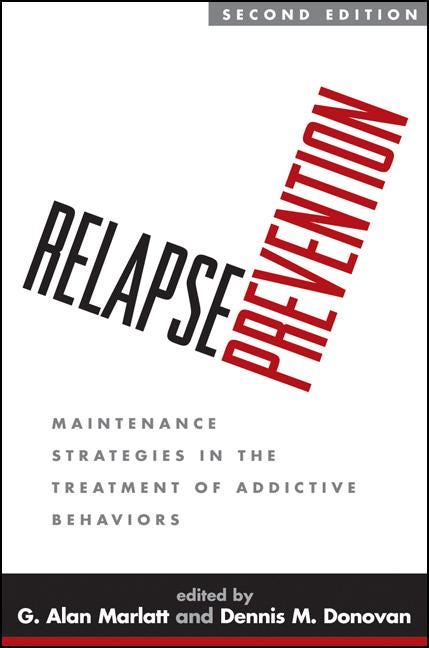
Relapse Prevention: Maintenance Strategies in the Treatment of Addictive Behaviors
Edited by G. Alan Marlatt and Dennis M. Donovan (2005)
Explores high-risk situations, coping strategies, lapses and maintaining behavioural change. It offers a useful framework for understanding why quitting is not simply a matter of making a promise and keeping it.
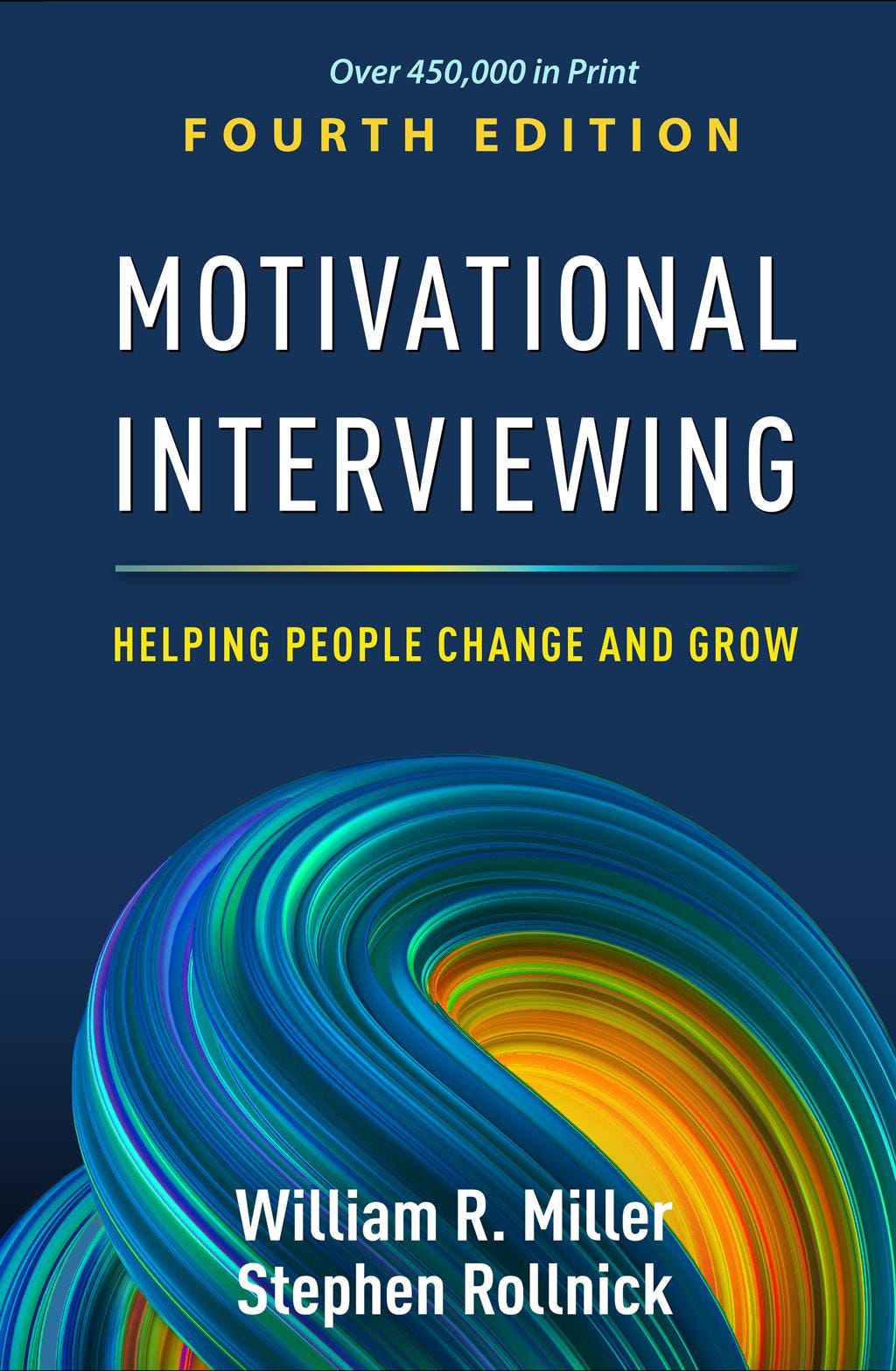
Motivational Interviewing: Helping People Change and Grow
William R. Miller and Stephen Rollnick (4th edition, 2023)
Explains how practitioners can help people explore ambivalence and strengthen their own motivation for change. Particularly useful if you want to understand why pressure and judgement can sometimes make people more defensive rather than more willing to change.
Research articles and clinical guidance
- Gates, P.J. et al. (2016). “Psychosocial interventions for cannabis use disorder.” Cochrane Database of Systematic Reviews. A systematic review examining interventions including CBT, motivational enhancement and contingency management. Read the evidence summary from the European Union Drugs Agency.
- Carroll, K.M. et al. (2006). “The use of contingency management and motivational/skills-building therapy to treat young adults with marijuana dependence.” Journal of Consulting and Clinical Psychology, 74(5), 955–966. This randomised trial examined treatment approaches with 136 young adults referred through the criminal justice system. Its findings supported combining motivational and skills-building treatment with contingency management for some outcomes. Read the paper via PubMed.
- National Institute for Health and Care Excellence (NICE). Drug misuse in over 16s: psychosocial interventions (CG51). UK clinical guidance covering assessment, motivational interventions, self-help and psychosocial approaches. Read the recommendations.
NICE
These sources are worth reading because they move the conversation away from the simplistic idea that people use drugs because they are lazy, weak or unwilling to change. They help explain the roles of reinforcement, motivation, coping skills, social environments and ongoing support.
12. A final word to the young men of Reading
If you are 16, 19, 22 or 25 and you are beginning to question your relationship with weed, you do not need to wait until you have lost your job, dropped out of college, damaged your relationships or spent all your money before you take the question seriously.
You are allowed to want something different for yourself.
You might want to wake up feeling clearer. You might want to save money, improve your fitness, finish your qualifications, develop a relationship or feel more confident in social situations. Perhaps you simply want to find out what your life feels like without being high every evening.
You do not need a dramatic reason to stop.
And if you have tried before and returned to smoking, that does not mean you are incapable of changing. It means that your previous approach may not have given you everything you needed.
You might need more support with cravings. You might need to change your routine. You might need to address anxiety, loneliness or sleep problems. You might need to spend less time around people who make quitting difficult. Or you might benefit from talking to a professional who can help you work out what is happening.
There is no shame in any of that.
For the young men growing up in Reading, Wokingham, Woodley, Earley, Bracknell, Crowthorne and the surrounding villages, there are more options than simply carrying on as you are or trying to fight the habit alone.
You are more than your cannabis use. You are more than the version of yourself that needs a smoke to get through the evening. And you do not have to hate yourself into changing.
The aim is not to become a perfect man who never feels anxious, bored, angry or lonely. It is to build a life in which those feelings no longer automatically send you reaching for weed.
That is a skill you can develop, and you deserve support while you learn it.
If you are in Reading or nearby and want to locate support services mentioned above, you can use the map below.