

Reproductive Coercion: When Pregnancy Becomes Control
Some conversations are uncomfortable because they force us to look at problems we would rather believe belong somewhere else. We are often willing to talk about racism, discrimination, and inequality, yet we become far more defensive when difficult conversations turn inward and ask us to examine the problems that exist within our own communities. One […]

Why Bother With Psychoanalytic Ideas in Family Therapy? A Simple Guide for Men Trying to Understand Relationships
When men first hear the words psychoanalytic ideas and systemic family therapy, it can sound complicated, distant, or even irrelevant to real life. It can feel like something happening in an academic world that has nothing to do with day to day struggles like relationships breaking down, arguments at home, or not seeing your children […]
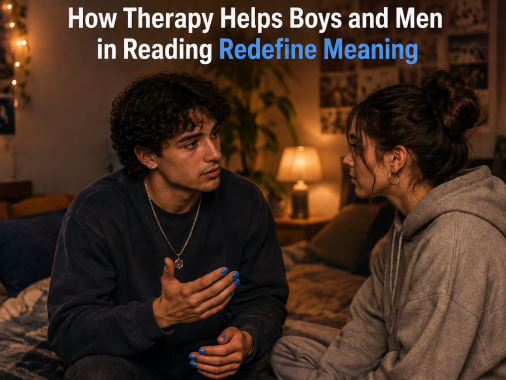
The Importance of the Word “No”: How Therapy Helps Boys and Men in Reading Redefine Meaning
This past weekend I attended Reading Festival. As I was waiting for the main acts on several days, including Sombra and Chase & Status, adverts were being played on the big screens. One of those adverts was about consent and, specifically, the word “no”. What struck me about the advert was how much meaning could […]
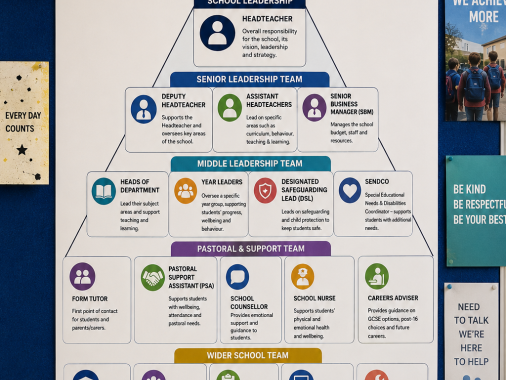
Who Is Who in Your Child’s Secondary School?
So, your son or daughter is in one of the many secondary schools in Reading. Maybe Maiden Erlegh Chiltern Edge, The Bulmershe School, UTC Reading, The WREN School or Highdown. I want to talk to you about the people who actually work inside your child’s school. Because many parents come into my counselling practice carrying […]
Book a Workplace Mental Health Workshop
Whether you're looking to support employee wellbeing, reduce workplace stress or create a psychologically safer culture, I'd be happy to discuss how these workshops can support your organisation.
Or please fill out the form with what you are looking for and when.
Email: malemindscounselling@gmail.com
Phone: 07807 344813
Website: www.malemindscounselling.com