

Your Employees Are Not Your Family: When Success Becomes a Substitute for Relationships
There is something I want to say to the man reading this who owns a business in Reading. Perhaps you are a CEO. Maybe you are an operations director or managing director. Perhaps you run a construction company in Wokingham, a consultancy in central Reading, a technology business in Thames Valley Park, a property business, […]
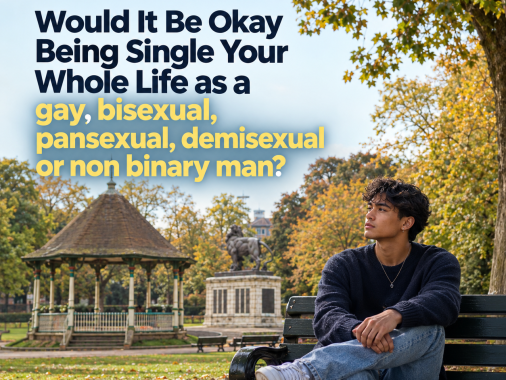
Would It Be Okay Being Single Your Whole Life as a gay, bisexual, pansexual, demisexual or non binary man?
I ask, would it be okay being single your whole life as a gay, bisexual, pansexual, demisexual or non binary man, would you be okay being single for the rest of your life living here in Reading? Not for six months, not until you meet someone, and not until you get your career sorted, lose […]
The Engine Is Revving: How Male Anxiety Shows Up as Anger and Irritability
There is a man sitting in his car. The engine is running, but he has not gone anywhere. The radio is off and his phone is face down. He has been sitting there for twenty minutes, staring through the windscreen, trying to gather himself before going into the house. He is not crying, he is […]
Could My Autism Be Connected to My Porn Use, Phone Addiction and Need for Constant Stimulation?
A counselling and psychotherapeutic perspective for autistic men, men who suspect they may be autistic, and men trying to understand their relationship with technology, pornography and themselves. There is a question that more men are beginning to ask themselves: “Why can I spend hours on my phone, scrolling, watching videos, looking at pornography, gaming or […]
Book a Workplace Mental Health Workshop
Whether you're looking to support employee wellbeing, reduce workplace stress or create a psychologically safer culture, I'd be happy to discuss how these workshops can support your organisation.
Or please fill out the form with what you are looking for and when.
Email: malemindscounselling@gmail.com
Phone: 07807 344813
Website: www.malemindscounselling.com